Description
This program trains professionals with skills to solve problems in information and communication technologies, through the design and evaluation of models in telecommunication systems and networks, using methodological tools and basic sciences.
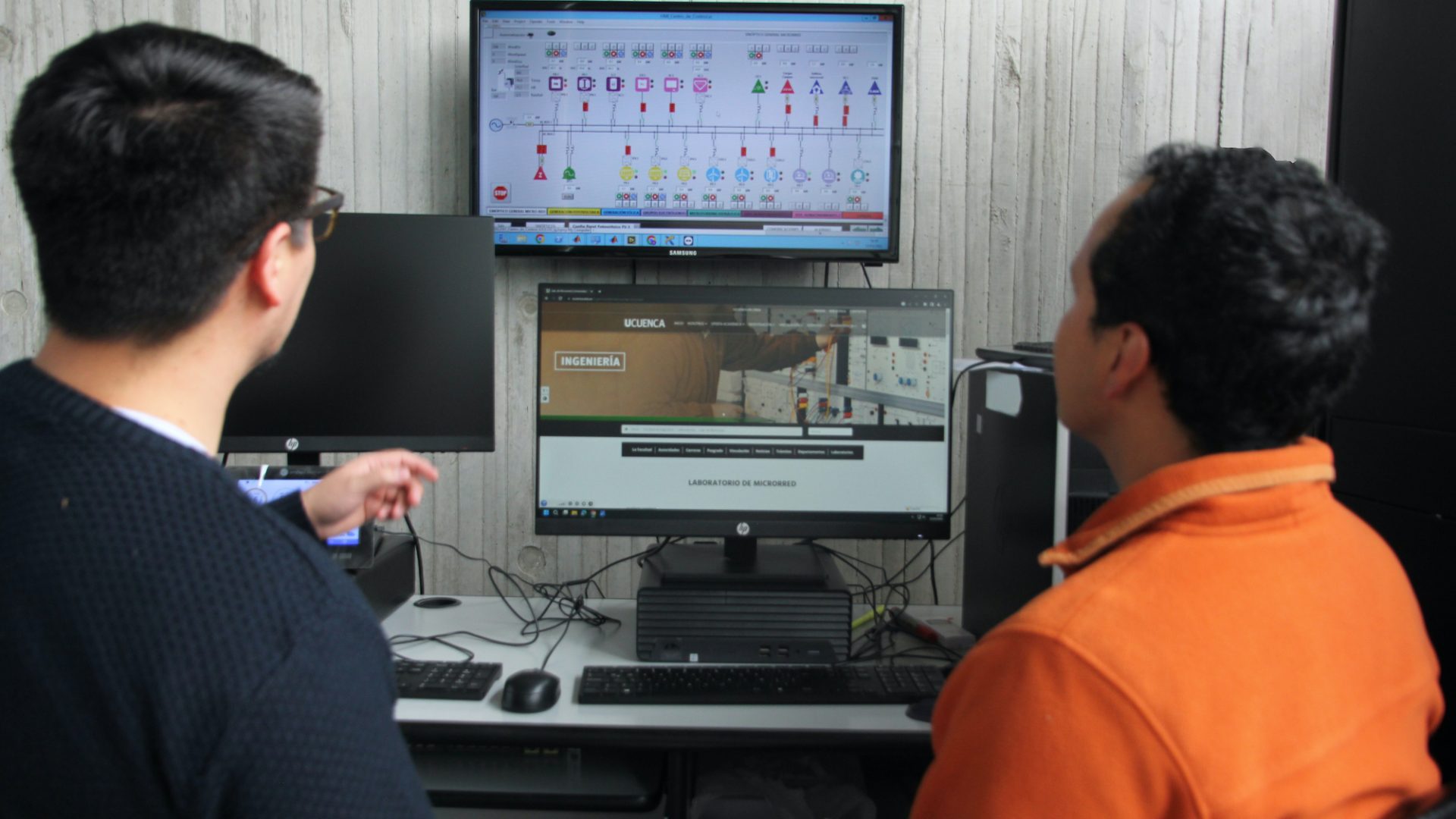
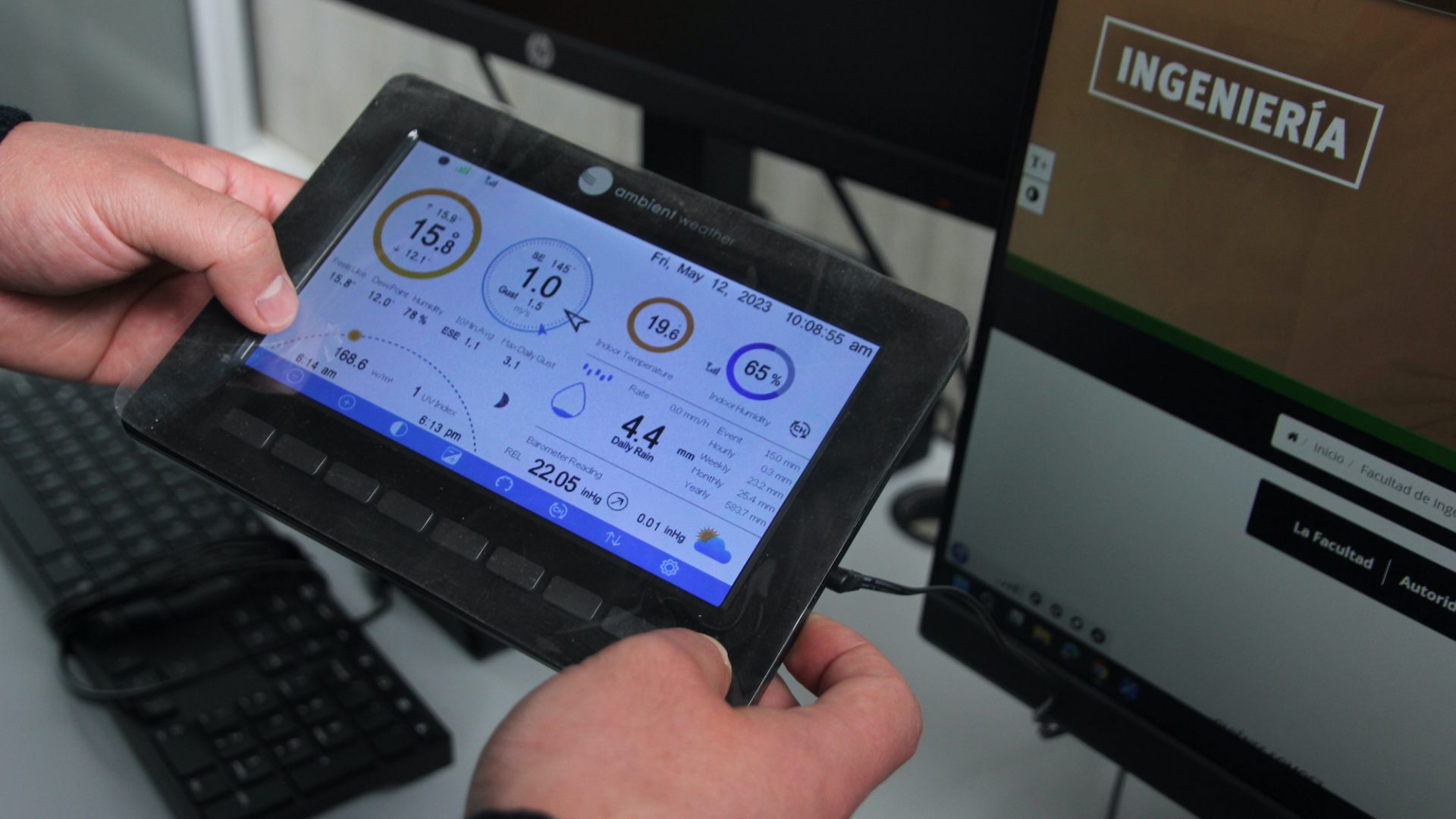
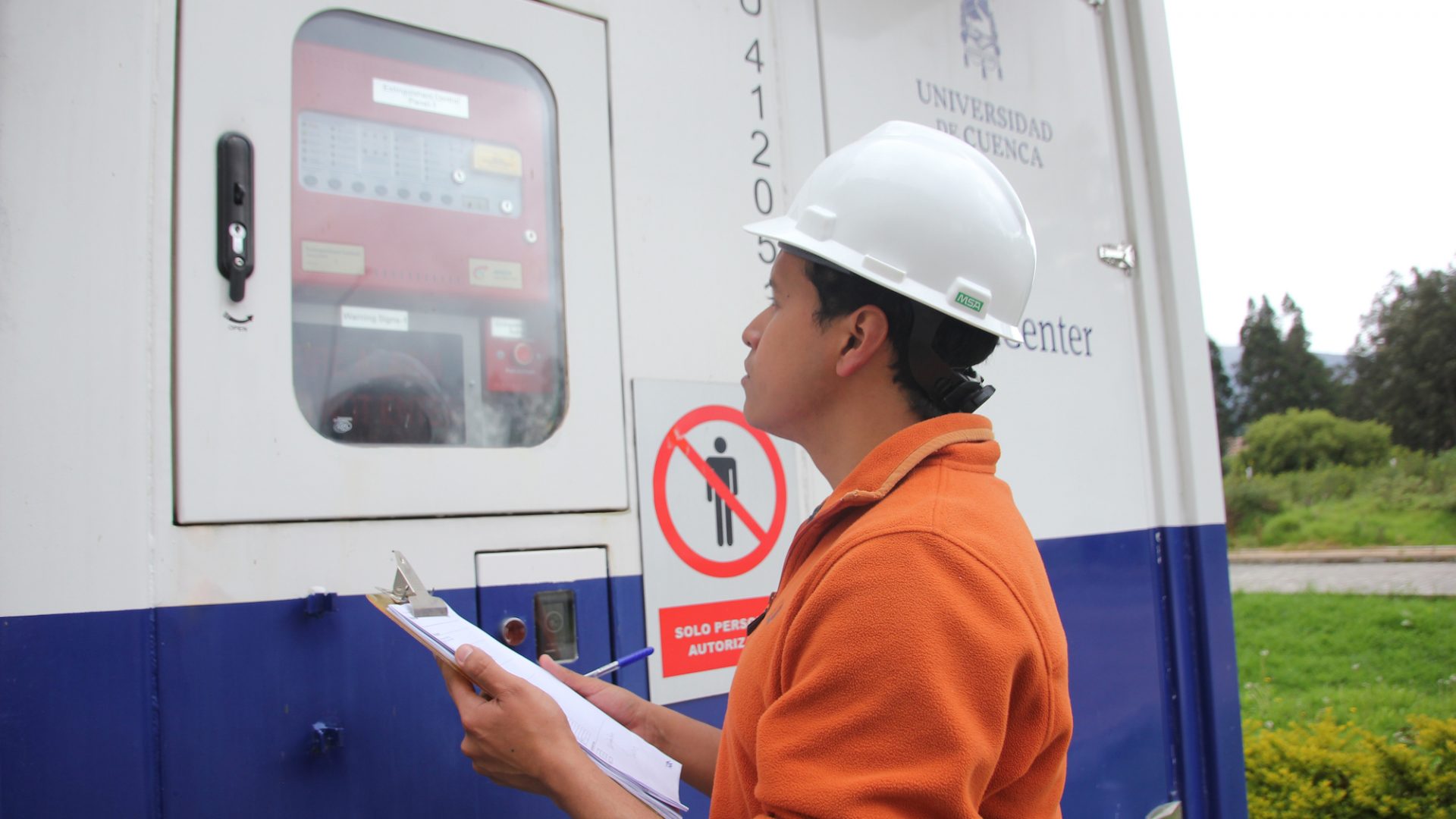
We offer a solid foundation in basic sciences, integrating theory and practice across various areas such as digital communications, computer networks, radio communications, and fiber optic networks. We focus on training professionals in scientific research and engineering, combining skills in
multidisciplinary approaches to continuously improve telecommunications services and networks. We work closely with telecommunications operators, which allows us to stay updated on advancements in the country and provide professional practice opportunities in operations.
General Information
| Degree Awarded: | Telecommunications Engineer |
| Level: | Third Level |
| Duration: | 10 semesters // 5 years |
| Mode of Study: | In-person |
| English Proficiency Requirement: | B1 // 10th semester |
Professional Profile
Upon completing their training, graduates will be able to:
- Design and implement telecommunications networks.
- Design mobile applications.
- Conduct studies for regulatory approval.
- Design solutions for other disciplines.
- Conduct scientific research.
Field of occupation
- Telecommunications consulting.
- Telecommunications network operator
- Research in the relevant area
- Telecommunications network design
- Telecommunications network security
Malla curricular
Nivel 01
MATE DISCRETAS
INT INGENIERIA
COMUNICACIÓN TECNICA
ALGEBRA LINEAL
CALCULO UNA VARIABLE
Nivel 02
ELECT Y MAGNETISMO
FÍSICA GENERAL
CALCULO VARIAS VARIABLES
PROGRAMACION ELECT TEL
MET INVESTIGACIÓN
Nivel 03
CIRCUITOS
HERRAMIENTAS INFORMATICAS
EC DIFERENCIALES
MET NUMERICOS
SISTEMAS OPERATIVOS
Nivel 04
ELECT ANALOGICA
MATE APLICADA
TEORÍA ELECT I
FÍSICA MODERNA
PROB ESTADISTICA
Nivel 05
SERV COMUNITARIO I
REDES COMP
ELECT DIGITAL
TEORÍA ELECT II
SIST LIN Y SENALES
INV OPERACIONES
Nivel 06
SERV COMUNITARIO II
MICROCONTROLADORES
CONTROL
RF
SIST Y PROC ESTOC
VHDL
Nivel 07
ANTENAS Y PROPAG
SIST COM
DSP
EMPRENDIMIENTO
SEGURIDAD
OPTICAS
Nivel 08
COM DIG
CONTROL DIGITAL
TEORÍA INFORMACION
REDES TELECOM
PLANIFICACION
REDES INALAM
Nivel 09
UIC I
REDES IND
SIST CONTROL
AMBIENTAL
COM MOVIL
PRÁCTICAS LAB I
Nivel 10
UIC II
CONTROL IND AVANZADO
PROYECTO REDES IND
PRÁCTICAS LAB II
REGULACION
Nivel 01
MATE DISCRETAS
INT INGENIERIA
COMUNICACIÓN TECNICA
ALGEBRA LINEAL
CALCULO UNA VARIABLE
Nivel 02
ELECT Y MAGNETISMO
FÍSICA GENERAL
CALCULO VARIAS VARIABLES
PROGRAMACION ELECT TEL
MET INVESTIGACIÓN
Nivel 03
CIRCUITOS
HERRAMIENTAS INFORMATICAS
EC DIFERENCIALES
MET NUMERICOS
SISTEMAS OPERATIVOS
Nivel 04
ELECT ANALOGICA
MATE APLICADA
TEORÍA ELECT I
FÍSICA MODERNA
PROB ESTADISTICA
Nivel 05
SERV COMUNITARIO I
REDES COMP
ELECT DIGITAL
TEORÍA ELECT II
SIST LIN Y SENALES
INV OPERACIONES
Nivel 06
SERV COMUNITARIO II
MICROCONTROLADORES
CONTROL
RF
SIST Y PROC ESTOC
VHDL
Nivel 07
ANTENAS Y PROPAG
SIST COM
DSP
EMPRENDIMIENTO
SEGURIDAD
OPTICAS
Nivel 08
COM DIG
CONTROL DIGITAL
TEORÍA INFORMACION
REDES TELECOM
PLANIFICACION
REDES INALAM
Nivel 09
UIC I
MULTIMEDIA
REDES SENSORES
AMBIENTAL
COM MOVIL
PRÁCTICAS LAB I
Nivel 10
UIC II
REDES VEH HETEROG
PROY REDES INALAMB
PRÁCTICAS LAB II
REGULACION
Description
This program trains professionals with skills to solve problems in information and communication technologies, through the design and evaluation of models in telecommunication systems and networks, using methodological tools and basic sciences.
Our Numbers
0
Number of students admitted in the academic period september 2025 – february 2026
0
Number of graduates in the 2024-2025 period
0
Number of students enrolled during the academic period march 2025 – august 2025
General Objective
To train professionals capable of applying basic sciences and using methodological tools for the solution of information and communication technology problems, through the design, improvement, implementation and evaluation of models and strategies for technological innovation in the area of telecommunication systems and networks.
Program Educational Objectives
Graduates of the Telecommunications Engineering program at Universidad de Cuenca will be able to achieve the following professional accomplishments within 3-5 years after graduation:
- PEO 1: Train professionals who intervene creatively, responsibly and collaboratively in the design, implementation, provision and management of advanced and secure electronic and telecommunications systems that enable the development of the country through digital transformation and new technologies.
- PEO 2: Design, plan, implement, evaluate and maintain telecommunications systems, such as fiber optic networks, mobile telephony, broadcasting, Wi-Fi, among others, applying cybersecurity and virtualization schemes that allow reliable communication, ensuring a smooth operation of multimedia voice, video and data applications, adapting the networks to the different connection requirements.
- PEO 3: Promote the generation of new ideas and technologies in the professional field, as a result of prospective analysis or scientific research, to promote opportunities for new innovative project.
Student Outcomes
At the end of their studies, Telecommunications Engineering graduates are expected to achieve the following student outcomes:
- SO1. An ability to identify, formulate, and solve complex engineering problems by applying principles of engineering, science, and mathematics.
- SO2. An ability to apply engineering design to produce solutions that meet specified needs with consideration of public health, safety, and welfare, as well as global, cultural, social, environmental, and economic factors.
- SO3. An ability to communicate effectively with a range of audiences.
- SO4. An ability to recognize ethical and professional responsibilities in engineering situations and make informed judgments, which must consider the impact of engineering solutions in global, economic, environmental, and societal contexts.
- SO5. An ability to function effectively on a team whose members together provide leadership, create a collaborative environment, establish goals, plan tasks, and meet objectives.
- SO6. An ability to develop and conduct appropriate experimentation, analyze and interpret data, and use engineering judgment to draw conclusions.
- SO7. An ability to acquire and apply new knowledge as needed, using appropriate learning strategies.
Capstone Design Projects
Capstone Projects are an opportunity for students to apply the skills, knowledge, and abilities acquired throughout the program.
No se encontraron docentes con el ID especificado.