Description
This program trains professionals capable of solving environmental problems generated by human and productive activities that protect ecosystems and improve the quality of life of the population. They will also be able to recognize, interpret, diagnose and propose integrated solutions to environmental impacts in accordance with current environmental laws.
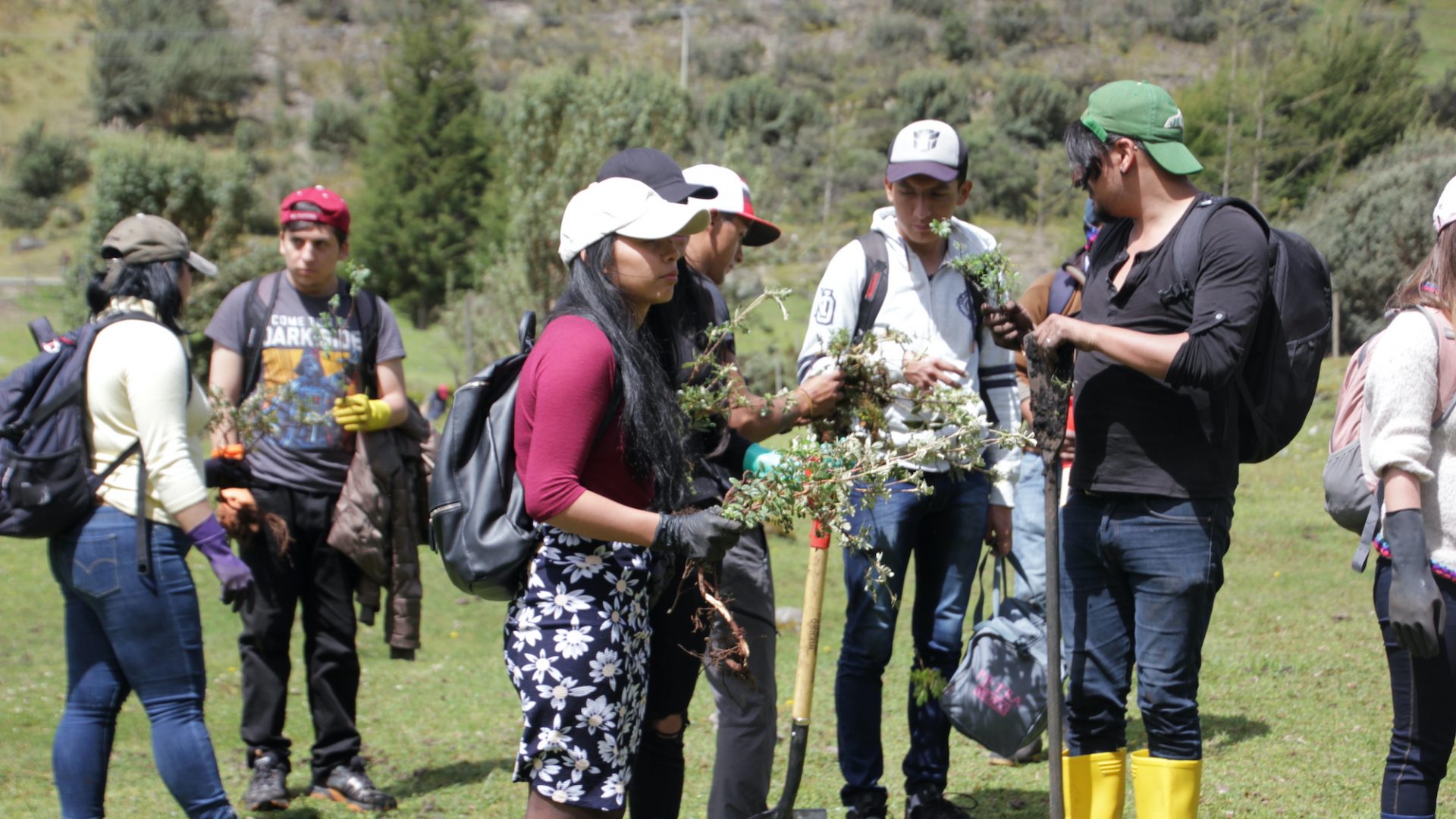
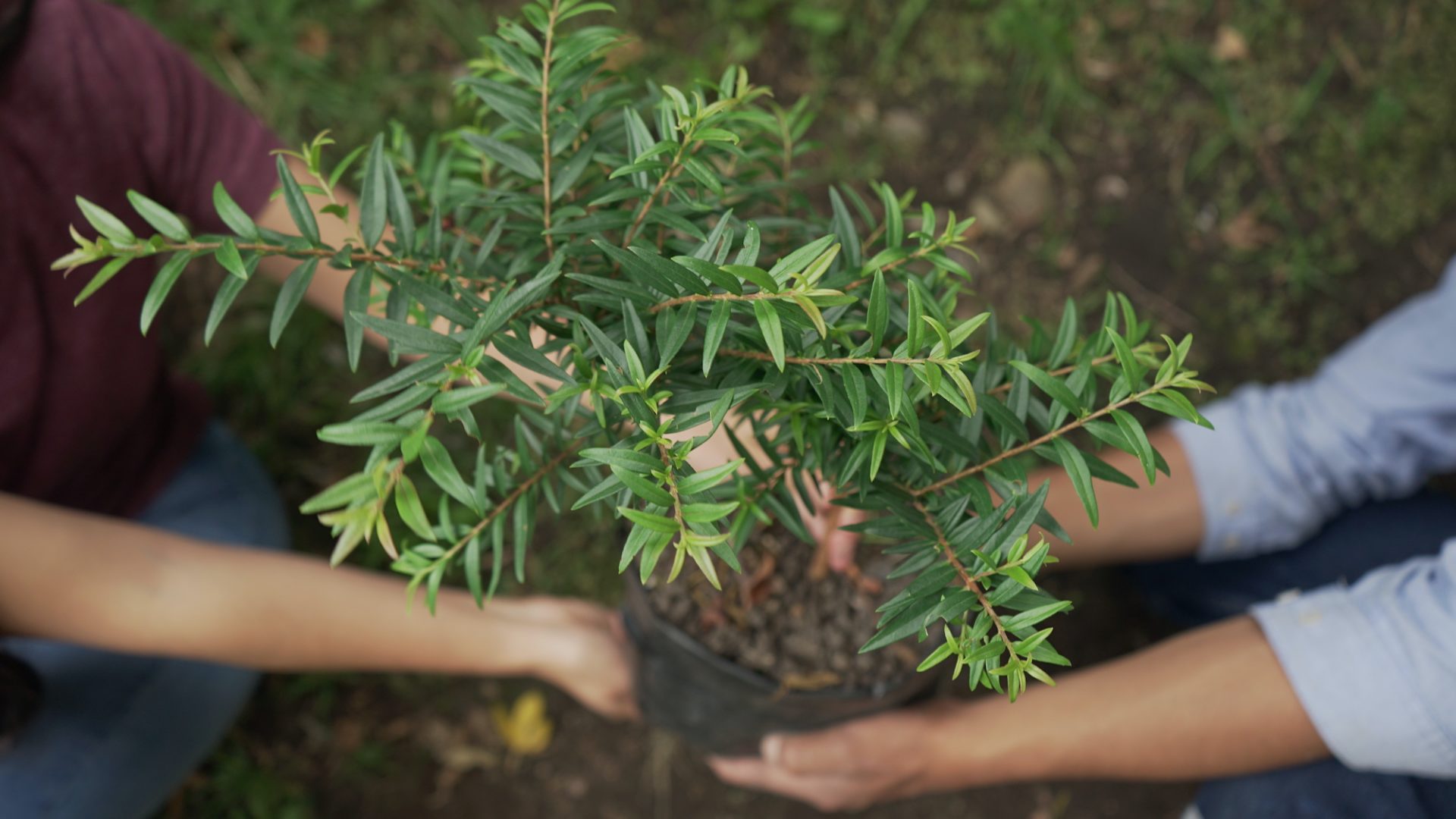
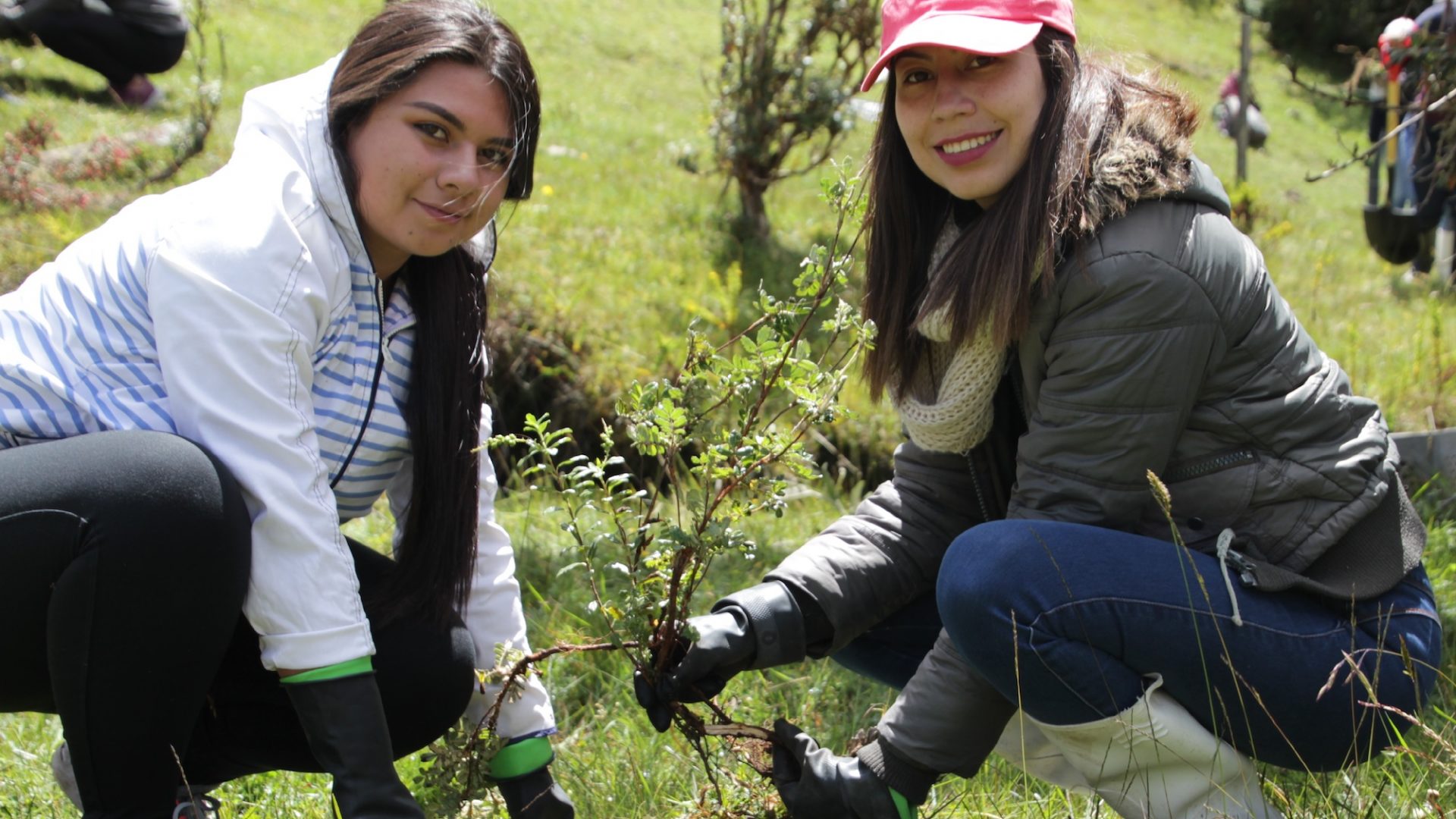
We prepare students to create sustainable solutions that protect and improve the quality of the environment, reduce problems such as water, air and soil pollution, manage waste and conserve natural resources.
In addition, they will be able to put into practice the knowledge acquired and diagnose the current state of natural resources in our laboratories.
General Information
| Degree Awarded: | Environmental Engineer |
| Level: | Third Level |
| Duration: | 10 semesters // 5 years |
| Mode of Study: | In-person |
| English Requirement: | PASLE B1 // Noveno ciclo |
Professional Profile
Upon completing their training, graduates will be able to:
- Address environmental challenges in an ethical and sustainable manner, developing engineering skills to solve environmental problems and promote sustainable development.
- Conduct environmental audits, manage natural resources efficiently and support the transition to clean energy.
- Design technologies to treat pollutants and waste, complying with global environmental regulations.
- Participate in research to mitigate environmental impacts and combat climate change, using advanced technologies such as artificial intelligence.
- Lead environmental certification programs, demonstrating a commitment to responsible practices for the conservation of the environment and the construction of a more sustainable future.
Field of Employment
- Consulting in environmental engineering projects and programs for public and private companies and NGOs.
- Research on environmental issues in public or private institutions.
- Teaching in related areas.
- Organization, planning and control of aspects related to the environment, reduction and control of environmental pollution.
Malla curricular
Nivel 01
BIOLOGÍA DEL MEDIO AMBIENTE
CÁLCULO DIFERENCIAL
DIBUJO ASISTIDO POR COMP
FÍSICA I
QUÍMICA GENERAL
ÁLGEBRA LINEAL
Nivel 02
CÁLCULO INTEGRAL
FÍSICA II
INTRO A ING. AMBIENTAL
MICROBIOLOGÍA AMBIENTAL
QUÍMICA ANALÍTICA
QUÍMICA ORGÁNICA AMBIENTAL
REALIDAD AMB NACIONAL-MUNDIAL
Nivel 03
ANÁLISIS DATOS
ECUACIONES DIFERENCIALES
HIDRÁULICA
LENGUAJES PROGRAMACIÓN
MET. INVESTIGACIÓN
MICROBIOLOGÍA APLICADA
TERMODINÁMICA I
Nivel 04
CARTOGRAFÍA Y SIG
ECOLOGÍA GENERAL
MÉTODOS NUMÉRICOS
OPERACIONES UNITARIAS
PROCESOS INDUSTRIALES
TEORÍA DIST. Y PROB.
TERMODINÁMICA II
Nivel 05
ECOLOGÍA APLICADA
EDUCACIÓN AMBIENTAL
FUENTES NO CONV. ENERGÍA
HIDRO-MANEJO CUENCAS HIDROG.
SENSORES REMOTOS
SOCIOLOGÍA AMBIENTAL
TOXICOLOGÍA AMBIENTAL
Nivel 06
CALIDAD Y TRAT. AGUAS
EDAFOLOGÍA Y MANEJO SUELOS
GEOLOGÍA Y RIESGOS GEOLÓGICOS
GESTIÓN RESIDUOS SÓLIDOS
LEGISLACIÓN AMBIENTAL
METEOROLOGÍA Y CLIMATOLOGÍA
Nivel 07
CALIDAD Y TRAT. DEL AIRE
COM. Y MEDIACIÓN AMBIENTAL
DESARROLLO EMPRENDEDORES
ECONOMÍA AMBIENTAL
MANEJO INTEGRAL AGUA
PLAN ORDENAMIENTO TERRITORIAL
SEGURIDAD Y SALUD OCUPACIONAL
Nivel 08
ESTUDIOS IMPACTO AMBIENTAL
MODELACIÓN AMBIENTAL
PRODUCCIÓN MÁS LIMPIA
PROYECTOS AMBIENTALES
REMEDIACIÓN AMBIENTAL
SIST. INTEGRADOS GESTIÓN
Nivel 09
ANÁLISIS PROCES DATOS AMB
DIS. Y SIMUL PROCESOS AMBIENT
GEST. RECUR RENOV Y NO RENOV
MAN. Y RECUP. MATERIALES
PRÁC SERVICIO COMUNITARIO
SANEAMIENTO AMBIENTAL
TITULACIÓN FASE I
Nivel 10
EFICIENCIA ENERGÉTICA
EMISIONES ATMOSFÉRICAS
PRÁCTICAS LABORALES
TITULACIÓN FASE II
Description
This program trains professionals capable of solving environmental problems generated by human and productive activities that protect ecosystems and improve the quality of life of the population. They will also be able to recognize, interpret, diagnose and propose integrated solutions to environmental impacts in accordance with current environmental laws.
Mission
The Universidad de Cuenca is a public university whose mission is to educate researchers and professionals committed to a just, diverse, and sustainable society, ready to be agents of transformation.
Key Figures
0
Number of students admitted in the academic period september 2025 – february 2026
0
Number of graduates in the 2025
0
Number of students enrolled during the academic period march – august 2025
General Objective
The Environmental Engineering program at the Universidad de Cuenca aims to train professionals in critical thinking, leaving them capable of analyzing situations, seeking alternatives, proposing solutions to environmental problems generated by human and production activities on the landscape, protecting ecosystems, improving the quality of life of the population through the application of strategies, and methods and techniques of environmental management.
Educational Objectives
Professionals in the Environmental Engineering program, within 3 to 5 years after graduation, will be competent in:
- PEO1. Design and implement technical and sustainable solutions to mitigate and prevent environmental problems caused by natural phenomena, human and production activities, improving the quality of life and protecting ecosystems.
- PEO2. Apply strategies, methods and techniques of environmental management and sustainability in diverse contexts, considering social, economic and environmental factors.
- PEO3. Participate and lead multidisciplinary teams, demonstrating ethical responsibility, critical thinking and commitment to sustainability and environmental protection.
- PEO4. Acquire and apply new knowledge related to the development of environmental technologies and strategies to adapt to current and future sustainability challenges.
Learning Outcomes
Graduates of the Environmental Engineering program at the Universidad de Cuenca will be able to achieve the following competencies upon completing their studies:
- RA1. Ability to identify, formulate and solve complex Environmental Engineering problems, applying engineering, scientific and mathematical principles.
- RA2. Ability to apply environmental engineering design to produce solutions that meet specific needs, taking into consideration public health, safety and welfare, as well as global, cultural, social, environmental and economic factors.
- RA3. Ability to communicate effectively with different audiences.
- RA4. Ability to recognize ethical and professional responsibilities in environmental engineering situations and to make informed judgments that take into consideration the impact of engineering solutions in the global, economic, environmental and social context.
- RA5. Ability to function effectively in a team, whose members together, exercise leadership, create an environment of collaboration and integration and establish goals, plan tasks and meet objectives.
- RA6. Ability to develop and carry out appropriate experiments, analyze and interpret data, and use technical judgment to draw conclusions.
- RA7. Ability to acquire and apply new knowledge as needed, using appropriate learning strategies.
Degree Projects
Capstone Projects are an opportunity for students to apply the skills, knowledge, and abilities acquired throughout the program.
No se encontraron docentes con el ID especificado.