Description
This program trains competent professionals for the design, control, administration and continuous improvement of production systems of goods and/or services in the areas of operations and manufacturing management, quality, projects and industrial safety to promote sustainable business development.
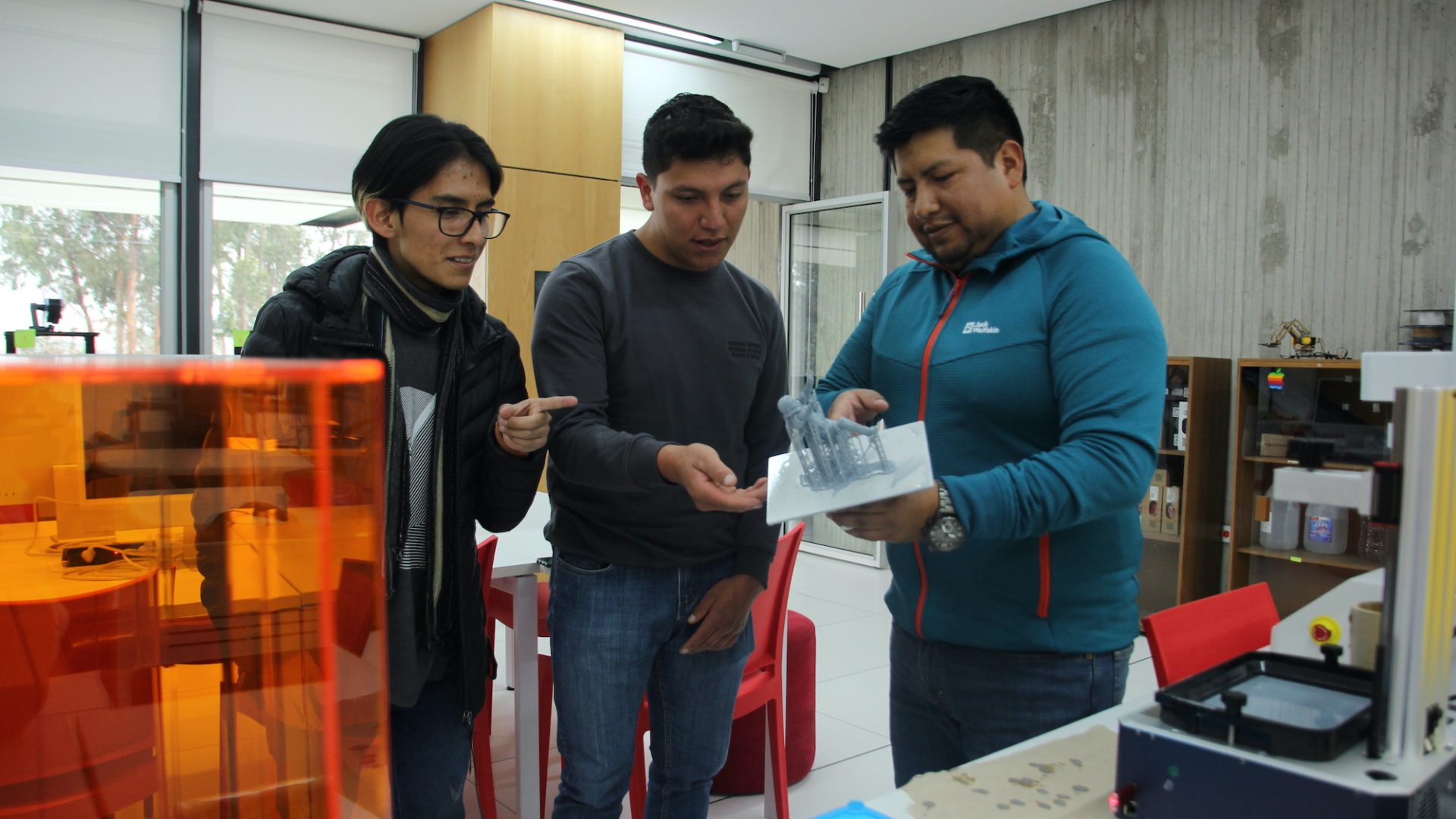
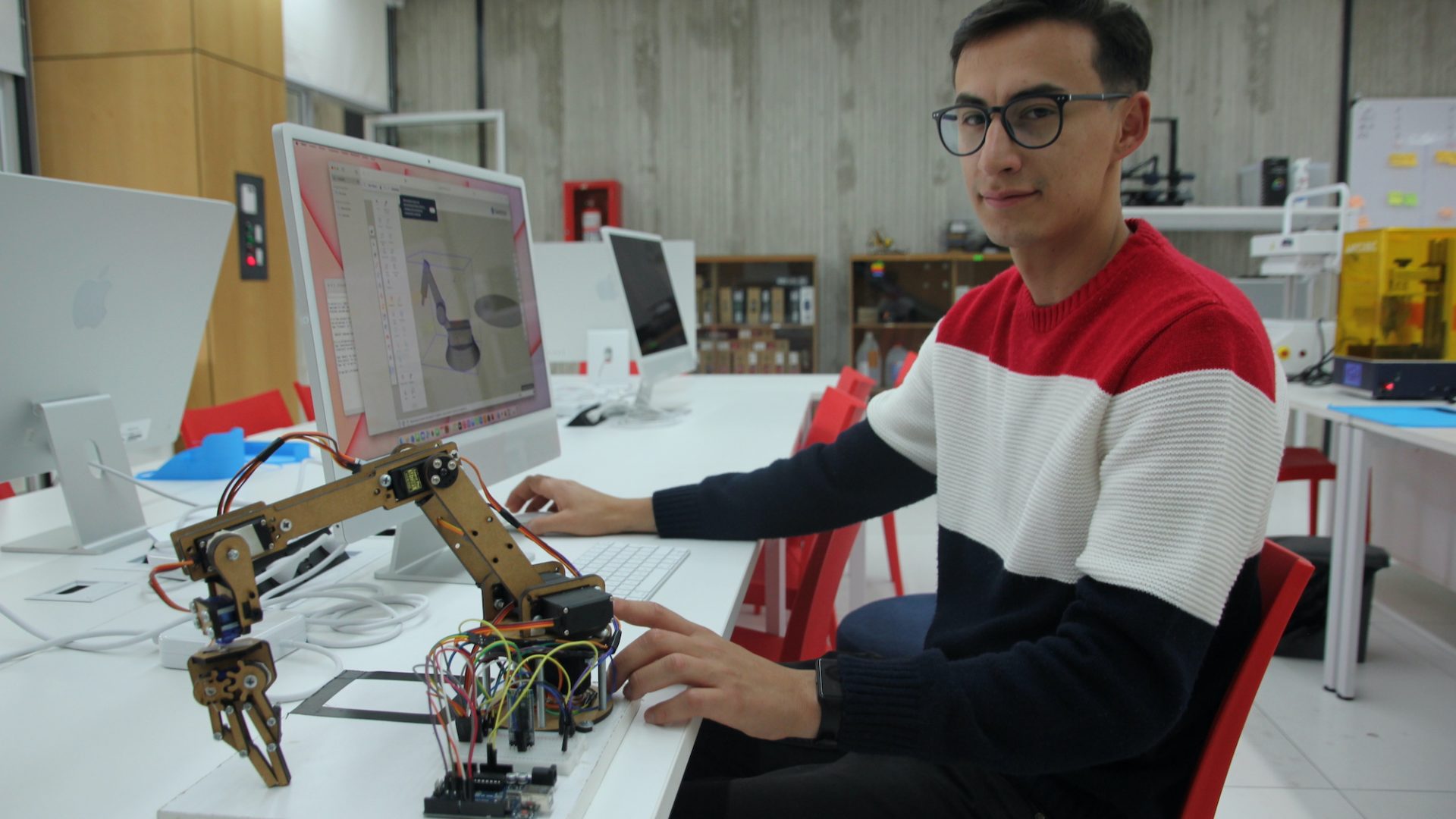
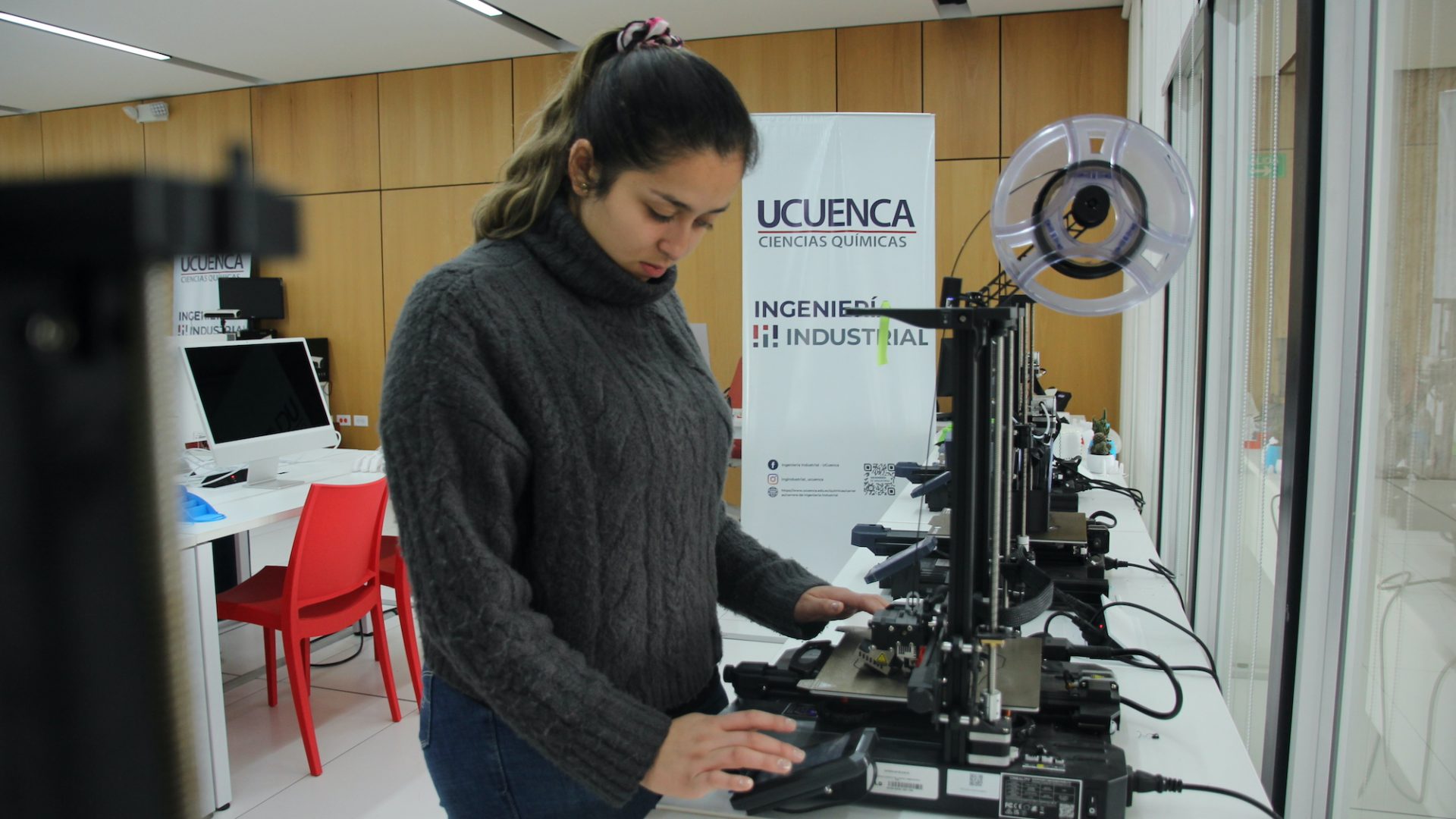
We train students in engineering sciences and production systems management, analyzing factors such as materials, machinery, facilities, people, and energy.
The learning environment includes laboratories in thermodynamics, control, machinery, and computing. Students will have the opportunity to apply their knowledge in local production companies of goods and services, such as SMEs, banks, hospitals, and municipal services.
General Information
| Degree Awarded: | B.S. in Industrial Engineering |
| Level: | Undergraduate |
| Duration: | 10 semesters // 5 years |
| Mode of Study: | In-person |
| English Requirement: | B1 LEVEL // Ninth semester |
Professional Profile
Upon completing their training, graduates will be able to:
- Interpret quality, safety, occupational health, environmental, and labor legislation regulations, considering human well-being.
- Design and implement management models that optimize processes through simulation.
- Establish logistics positioning criteria in the supply chain.
- Select comprehensive methods and processes for human well-being in the industry.
- Propose problem-solving alternatives using production management indicators.
- Establish control parameters in a real production system.
Field of Employment
- Small and Medium Business Management.
- Responsible for the Strategic and Organizational Planning of the Company.
- Responsible for Research and Development of Products and Processes.
- Management of development in one’s own company.
- Execution of Production Planning and Control.
- Responsible for the company’s distribution chain.
- Management of Integrated Management Systems.
- Human Resources Management.
- Management Consulting.
- Business and industrial consulting.
Malla curricular
Nivel 02
Nivel 03
Nivel 04
Nivel 05
Nivel 06
Nivel 07
Nivel 08
Nivel 09
Nivel 02
Nivel 03
Nivel 04
Nivel 05
Nivel 06
Nivel 07
Nivel 08
Nivel 09
Description
The Industrial Engineering Program at the Universidad de Cuenca prepares highly competent professionals for the design, control, management, and continuous improvement of production systems of goods and/or services in the areas of operations and manufacturing management, quality assurance, project management, and industrial safety, with the objective of promoting sustainable business development.
Key Figures
0
Number of students admitted in the academic period september 2025 – february 2026
0
Number of graduates of the program
0
Number of graduates in the 2025
0
Number of students enrolled during the academic period march – august 2025
Educational Objectives
Professionals in the Industrial Engineering program, within 3 to 5 years after graduation, will be competent in:
- PEO1. Apply Industrial Engineering methodologies and tools to drive continuous improvement and process optimization across different sectors.
- PEO2. Develop solutions through the design, creation, and improvement of management models by utilizing Industrial Engineering tools.
- PEO3. Analyze and make decisions across multiple areas, promoting sustainable practices and Industrial Engineering methodologies to solve complex problems.
- PEO4. Add value to organizations by practicing their profession with ethics, innovation, responsibility, collaborative skills, adaptability to change, respect for diversity, and a strong commitment to continuous improvement.
Learning Outcomes
Graduates of the Industrial Engineering program at the Universidad de Cuenca will be able to achieve the following competencies upon completing their studies:
- SO1. an ability to identify, formulate, and solve complex Industrial Engineering problems by applying principles of engineering, science, and mathematics.
- SO2. an ability to apply Industrial Engineering design principles to produce solutions that meet specific needs,with consideration of public health, safety and welfare, as well as, global, cultural, social, environmental, and economic factors.
- SO3. an ability to communicate effectively with a range of audiences.
- SO4. an ability to recognize ethical and professional responsibilities in Industrial Engineering situations and make informed judgments, which must consider the impact of engineering solutions in global, economic, environmental, and societal contexts.
- SO5. an ability to function effectively on a team, whose members together provide leadership, create a collaborative environment, establish goals, plan tasks, and meet objectives.
- SO6. an ability to develop and conduct appropriate experimentation, analyze and interpret data, and use engineering judgment to draw conclusions.
- SO7. an ability to acquire and apply new knowledge as needed, using appropriate learning strategies.
Degree Projects
Capstone Projects are an opportunity for students to apply the skills, knowledge, and competencies acquired throughout their program.
No se encontraron docentes con el ID especificado.